Mei'an Guqin Art
Introduction
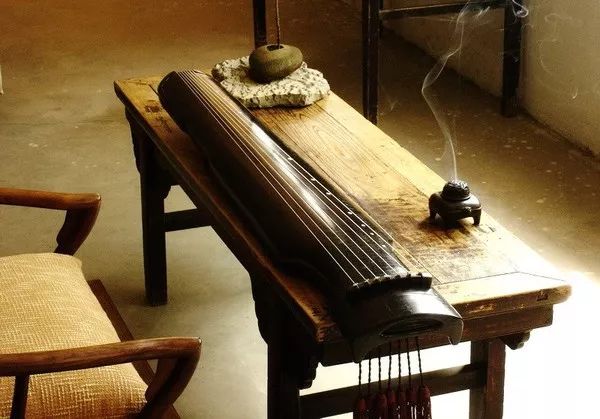
Mei'an Guqin Art, one of the representative schools of guqin music, emerged in the early years of the Republic of China (1912-1949). Named after the place where its founder, Wang Yanqing, provided guqin lessons, Mei'an is situated in Nanjing, the capital of East China's Jiangsu province. The guqin is a traditional seven-stringed Chinese instrument akin to a zither, celebrated for its profound historical significance and artistic value.
Historical Background
The Mei'an Guqin Club was established in 1929 by Xu Lisun and Shao Dasu, who were students of Wang Yanqing. Their dedication to the art form led to the publication of "Mei'an Qin Pu" (Mei'an Music Score) in 1931. This publication was groundbreaking as it was the first guqin music score published in China and also the first to be translated into a foreign language, marking a significant milestone in the modernization and global dissemination of guqin music.
Musical Characteristics
Mei'an guqin is renowned for its distinctive melodies, characterized by their novel, lively, and bright rhythmic qualities. The style is unique and has been preserved across generations through oral instruction, emphasizing a rich tradition of personal tutelage and musical inheritance. The guqin music from this school is celebrated for both its artistic depth and technical execution, often incorporating innovative playing techniques.
Modern Celebrations and Activities
Mei'an guqin art continues to be celebrated through various cultural activities, particularly during significant occasions such as the Spring Festival. Performances by masters and their apprentices often take place in prominent cultural and historical locations, where they perform both traditional Mei'an pieces and other renowned guqin compositions. These events not only celebrate the music but also educate audiences about the rich history and features of the Mei'an guqin art.








